
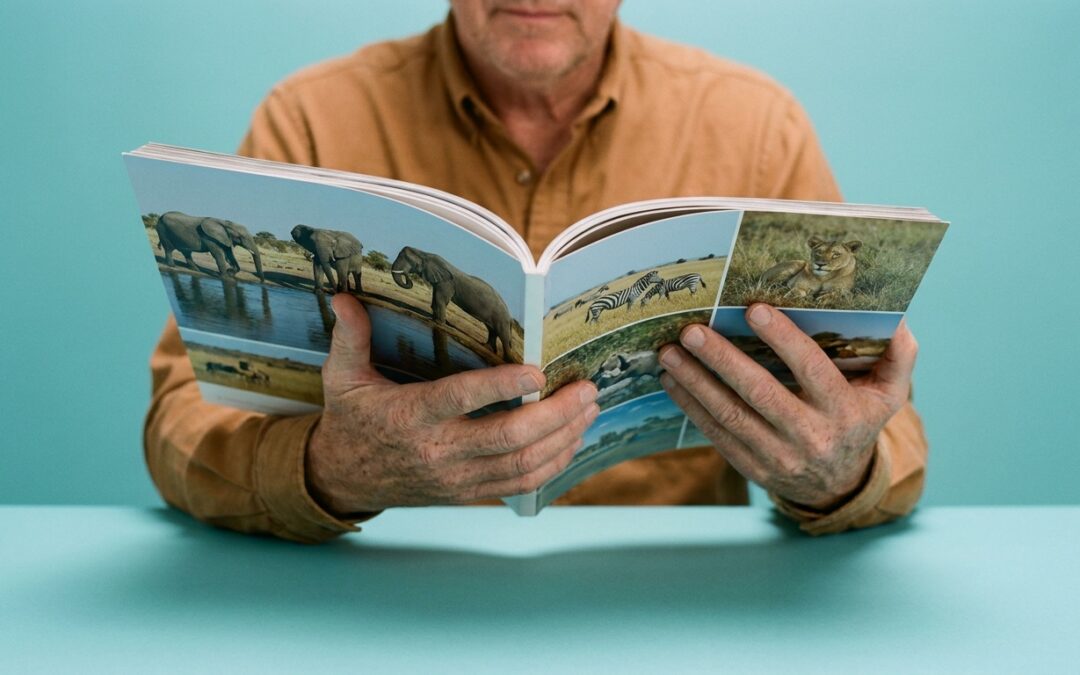
Something’s shifting in how South Africans are choosing their next getaway. Instead of booking the usual coastal escape or another European city break, more travellers are looking just across the border, and Botswana travel is suddenly at the top of the list.
It’s not difficult to understand why. Botswana offers everything you’d fly halfway around the world for: untouched wilderness, world-class wildlife viewing, and landscapes so vast they reset your sense of scale. Except you can drive there in a day.
What Makes Botswana Travel Different
Botswana isn’t trying to be everywhere to everyone. The country has deliberately positioned itself as a low-volume, high-value destination. You won’t find 40-seat coaches clogging the roads or crowds jostling for the same photo angle at sunset.
What you will find is space. Real space. The kind where your lodge might be the only human presence for 50 kilometres in any direction.
The Okavango Delta remains one of the most sought-after wilderness destinations globally, not just in Africa. This UNESCO World Heritage site floods seasonally, transforming the Kalahari Desert into a labyrinth of channels, islands, and floodplains teeming with wildlife. Travelling by mokoro (traditional dugout canoe) through these shallow waters isn’t just scenic. It’s meditative.
Further east, Chobe National Park delivers some of the continent’s most reliable elephant sightings. The park supports one of Africa’s largest elephant populations, and watching herds gather along the Chobe River at dusk is the kind of moment that makes you forget your phone exists.
Beyond the Big Five: Cultural Depth
Most visitors arrive for the wildlife and leave talking about the people. Botswana’s cultural heritage runs deep, and as the Botswana Tourism Organisation notes, more cultural tourism options are being developed to connect visitors with local communities.
The Tsodilo Hills, for instance, contain over 4,500 rock paintings, some dating back thousands of years. This sacred site offers a window into the spiritual and artistic traditions of the San people, and it’s far removed from the commercialised “cultural village” experiences you’ll find elsewhere.
At Old Palapye, you can walk through a multicultural historical site that spans the Middle Stone Age through to the 19th century, when it served as the capital of the Bangwato under Khama III. These aren’t reconstructions or tourist simulations. They’re genuine archaeological and historical sites.
For those interested in traditional crafts, artisans across Gaborone, Francistown, Maun, and Kasane produce basketry, pottery, and wood carvings using techniques passed down through generations. You’ll find these in curio shops and at safari camps throughout the Okavango and Chobe regions.
How to Actually Experience It
Here’s where most South Africans get it wrong: they either try to self-drive everything in a week (exhausting and inefficient) or they join a generic group tour that ticks boxes without creating memories.
Botswana rewards thoughtful planning. The distances are deceptive. What looks like a short hop on a map can take half a day when you factor in road conditions, border crossings, and the fact that rushing through the Kalahari defeats the entire purpose.
A properly designed itinerary might combine:
- Three nights in the Okavango Delta for mokoro excursions and walking safaris
- Two nights in Chobe for river cruises and game drives
- A night or two in Kasane, the gateway town that also puts you within striking distance of Victoria Falls (just across the border in Zimbabwe)
The key is pacing. Botswana isn’t a destination you “do”, it’s one you settle into. That means allowing time to sit quietly at a waterhole, to watch a sunset without checking your watch, to actually notice the smaller things like a dung beetle rolling its prize or a lilac-breasted roller in full colour.
What This Looks Like in Practice
Travel Bonbon designs Botswana itineraries that remove all the logistical friction while preserving the sense of discovery. You’re not following a guide with a microphone. You’re moving through a fully pre-organised route with the freedom to explore at your own pace.
Accommodation is carefully selected, not just for luxury (though Botswana does that exceptionally well), but for location and character. Whether you’re staying in a tented camp in Moremi Game Reserve or a lodge overlooking the Makgadikgadi Pans, every property is chosen because it enhances the experience rather than just providing a bed.
Small group sizes (10 to 12 people maximum) mean you’re travelling with like-minded people, not strangers who booked the cheapest package. And with multilingual service in English, Afrikaans, and German, communication is never an obstacle.
Practical Considerations
Getting there: Most South African travellers drive via the Ramatlabama or Tlokweng border posts, or fly into Maun or Kasane. Entry formalities are straightforward for South African passport holders.
When to go: The dry season (May to October) offers prime game viewing as animals congregate around permanent water sources. The wet season (November to April) brings dramatic skies, newborn wildlife, and the Delta in full flood, though some remote camps close during peak rains.
What it costs: Botswana is not a budget destination, and that’s intentional. The country’s conservation model prioritises low-impact, high-value tourism. Expect to pay more than you would for a comparable safari in South Africa or Namibia, but also expect fewer vehicles, better guide-to-guest ratios, and environments that feel genuinely wild.
Why Botswana Travel, and Why Now
There’s a window of opportunity here. Botswana remains relatively unknown compared to East African safari destinations, despite offering comparable (often superior) wildlife experiences. As more South Africans discover what’s available just hours from home, and as international travellers increasingly seek out less-crowded alternatives to the Serengeti or Masai Mara, that window won’t stay open forever.
The country’s infrastructure is improving, new lodges are opening, roads are being upgraded, and domestic flight connections are expanding, but it’s happening slowly enough that Botswana still feels like a secret.
If you’ve been considering it, this is the time. Not next year when everyone else has caught on. Now, while you can still have the Makgadikgadi salt pans almost entirely to yourself, or watch a leopard hunt without another vehicle in sight.
Contact Travel Bonbon for a personalised consultation that turns Botswana from a vague idea into a fully planned reality. After 19 years of designing African itineraries, we know which camps book out months in advance, which routes avoid the crowds, and how to pace your days so you return energised rather than exhausted.
Botswana isn’t just close to home. It might be exactly what you’ve been looking for.